By Ronald Ulloa Leon
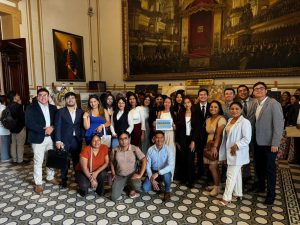
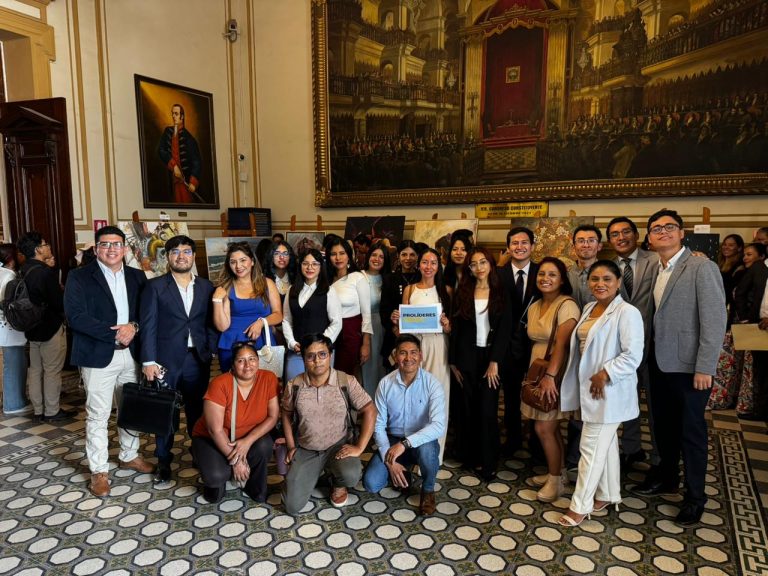
On March 25, Peru’s Congress hosted a unique cultural event, an art exhibition titled “The Rights of the Unborn Child.” The event brought together artists, policymakers, and youth leaders to reflect on human life from conception. Among the participating organizations was the World Youth Alliance (WYA), which continues to expand its presence in Peru through leadership formation and advocacy for human dignity and the family.
Organized within the halls of the Peruvian Congress, the exhibition served as both a tribute to life and a public reaffirmation of the country’s commitment to protecting the unborn. The Commission on Women and Family, a key congressional body, supported the initiative as part of its broader mission to promote family-centered values and uphold the dignity of every human person. The exhibit featured works by prominent Peruvian artists, each exploring the theme of life at its earliest stages through different creative perspectives.
In line with the ideas explored in WYA’s Certified Training Program, the exhibit highlights the deep connection between art and human dignity. Art is not merely decoration, but a powerful expression of the human spirit, one that illuminates truth, inspires reflection, and elevates cultural understanding. By engaging with beauty and meaning, art becomes a vehicle for recognizing the inherent and unique creativity of every human life.
The event also created space for dialogue among young leaders from various organizations, and WYA Latin America fellow Ronald Ulloa played a key role in fostering connection, introducing new audiences to WYA’s mission and encouraging collaboration among youth committed to promoting human dignity and the family.
Peru’s Legal Framework on the Unborn
Peru stands out in Latin America for its legal recognition of the unborn as rights-bearing individuals. The country’s Constitution, Civil Code, and specific legislation all affirm that life is protected from conception. This framework establishes the unborn child as a subject of rights, rather than merely an object of legal protection.
“A recent law, Law No. 31935, reaffirms that “the conceived is a subject of rights in all that favors them,” as established in Article 2 of the Peruvian Political Constitution, and explicitly grounds these rights in the principle of human dignity. In doing so, the law provides greater legal clarity by identifying the fundamental rights of the conceived, highlighting that the unborn child is not merely an object of protection in an abstract sense, but is recognized as a true subject of rights. In practical terms, this framework supports the protection of rights such as life, health, integrity, and development before birth.”
Through this comprehensive legal structure, Peru has positioned itself as one of the most explicit defenders of rights in the region. The exhibition at Congress not only reflected this legal reality but also sought to deepen cultural awareness of it, bringing together art, law, and youth engagement in a shared effort to affirm the value of every human life.
Spanish Translation:
WYA participa en una Exhibición de Arte en el Congreso del Perú
El 25 de marzo, el Congreso de Perú acogió un evento cultural único: una exposición de arte titulada “Los derechos del niño por nacer”. El evento reunió a artistas, responsables políticos y líderes juveniles para reflexionar sobre la vida humana desde la concepción. Entre las organizaciones participantes se encontraba World Youth Alliance (WYA), que sigue ampliando su presencia en Perú a través de la formación de líderes y la defensa de la dignidad humana y la familia.
Organizada en los pasillos del Congreso peruano, la exposición sirvió tanto como un tributo a la vida como una reafirmación pública del compromiso del país con la protección de los no nacidos. La Comisión de la Mujer y la Familia, un órgano clave del Congreso, apoyó la iniciativa como parte de su misión más amplia de promover valores centrados en la familia y defender la dignidad de cada persona humana. La exposición presentó obras de destacados artistas peruanos, cada una de las cuales exploraba el tema de la vida en sus etapas más tempranas a través de diferentes perspectivas creativas.
En consonancia con las ideas exploradas en el Certified Training Program de WYA, la exposición destaca la profunda conexión entre el arte y la dignidad humana. El arte no es meramente decoración, sino una poderosa expresión del espíritu humano, capaz de iluminar la verdad, inspirar la reflexión y elevar la comprensión cultural. Al conectar con la belleza y el significado, el arte se convierte en un vehículo para reconocer la creatividad inherente y única de cada vida humana.
El evento también creó un espacio para el diálogo entre jóvenes líderes de diversas organizaciones, y el Fellow de WYA América Latina, Ronald Ulloa, desempeñó un papel clave fomentando conexiones, presentando la misión de WYA a nuevas audiencias y alentando la colaboración entre jóvenes comprometidos con la promoción de la dignidad humana y la familia.
El marco legal del Perú sobre el no nacido
Perú destaca en América Latina por su reconocimiento legal del feto como sujeto de derechos. Tanto la Constitución como el Código Civil y la legislación específica del país afirman que la vida está protegida desde la concepción. Este marco establece al feto como sujeto de derechos, y no simplemente como objeto de protección jurídica.
“Una ley reciente, la Ley N.º 31935, reafirma que «el concebido es sujeto de derechos en todo lo que le favorezca», tal como establece el artículo 2 de la Constitución Política del Perú, y fundamenta explícitamente estos derechos en el principio de la dignidad humana. Al hacerlo, la ley brinda mayor claridad jurídica al identificar los derechos fundamentales del concebido, destacando que el niño por nacer no es meramente un objeto de protección en un sentido abstracto, sino que es reconocido como un verdadero sujeto de derechos. En términos prácticos, este marco respalda la protección de derechos tales como la vida, la salud, la integridad y el desarrollo antes del nacimiento”.
A través de esta estructura jurídica integral, Perú se ha posicionado como uno de los defensores más explícitos de los derechos en la región. La exposición en el Congreso no solo reflejó esta realidad jurídica, sino que también buscó profundizar la conciencia cultural al respecto, reuniendo el arte, el derecho y la participación de los jóvenes en un esfuerzo compartido por afirmar el valor de toda vida humana.